Internal alterations: does it need approval
Changing the inside of the house without changing its footprint: linings, floors, ceilings, built in joinery, insulation and partitions that carry nothing.
State by state
The position on an ordinary residential lot with no overlay. An overlay on your own lot can change it.
| State | Where it lands | Building approval | Source |
|---|---|---|---|
| NSW | No approval | Not required | Codes SEPP 2008 cl 2.51-2.52 / Housing Alterations Code cl 4.1-4.2read 2026-09-15 |
| VIC | No approval | Depends | VPP cl 62.02-2 and cl 32.08-5; Building Regulations 2018 (Vic) Sch 3 item 4read 2026-09-15 |
| QLD | No approval | Not required | Building Regulation 2021 (Qld) Sch 1 s 7 and s 8read 2026-09-15 |
| WA | No approval | Not required | LPS Regulations 2015 (WA) Sch 2 cl 61(1) item 5; Building Regulations 2012 (WA) Sch 4 cl 2 item 2(a)-(c)read 2026-09-15 |
| SA | Needs checking | Not settled | No published clause |
| TAS | No approval | Not required | Tasmanian Planning Scheme SPP cl 4.3.2; Directors Determination cl 2.1.1read 2026-09-15 |
| ACT | No approval | Not required | Planning (Exempt Development) Regulation 2023 (ACT) s 1.20read 2026-09-15 |
| NT | Building approval only | Required | NT Planning Scheme 2020 cl 1.8(1)(a); Building Act 1993 (NT) s 4 and s 55read 2026-09-15 |
Each row is read from the instrument named against it, on the date shown. Council controls sit on top of all of them.
What the job usually involves
New linings and cornices, floor coverings, built in wardrobes and shelving, insulation, painting, and non load bearing partitions. The moment a wall is holding up the roof, or a room changes what it is used for, this stops being the easy answer.
What it costs
Read off published projects that carry a price. There is no estimator on this page.
Median
A$150,000Middle half
A$120,000 - A$500,000
From 25 published projects in Whole home renovation · Kitchen and bathroom · Alterations and additions. Not a quote.
Published projects in Whole home renovation · Kitchen and bathroom · Alterations and additions, most recent first.
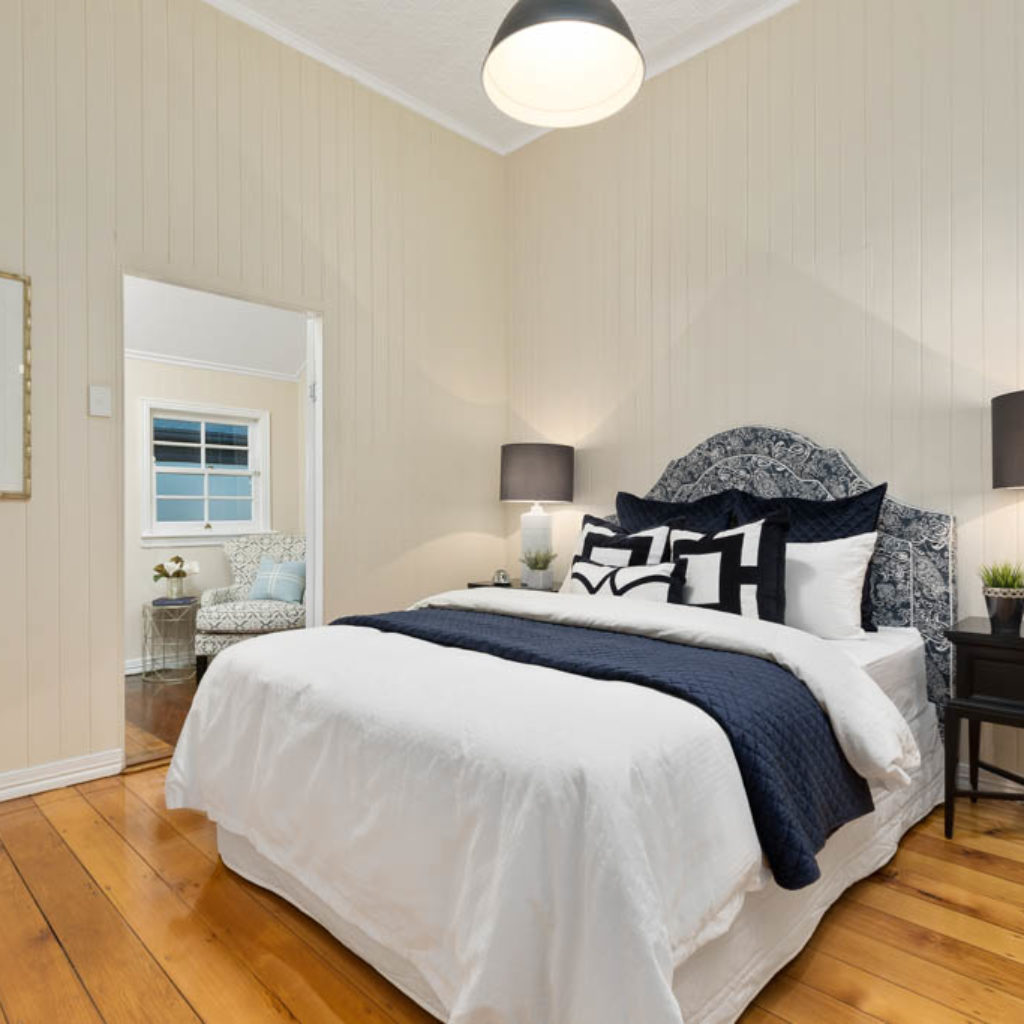 Whole home renovationWooloowin QLD
Wooloowin House Renovation
A$30,000 · From public sourcesGST not included
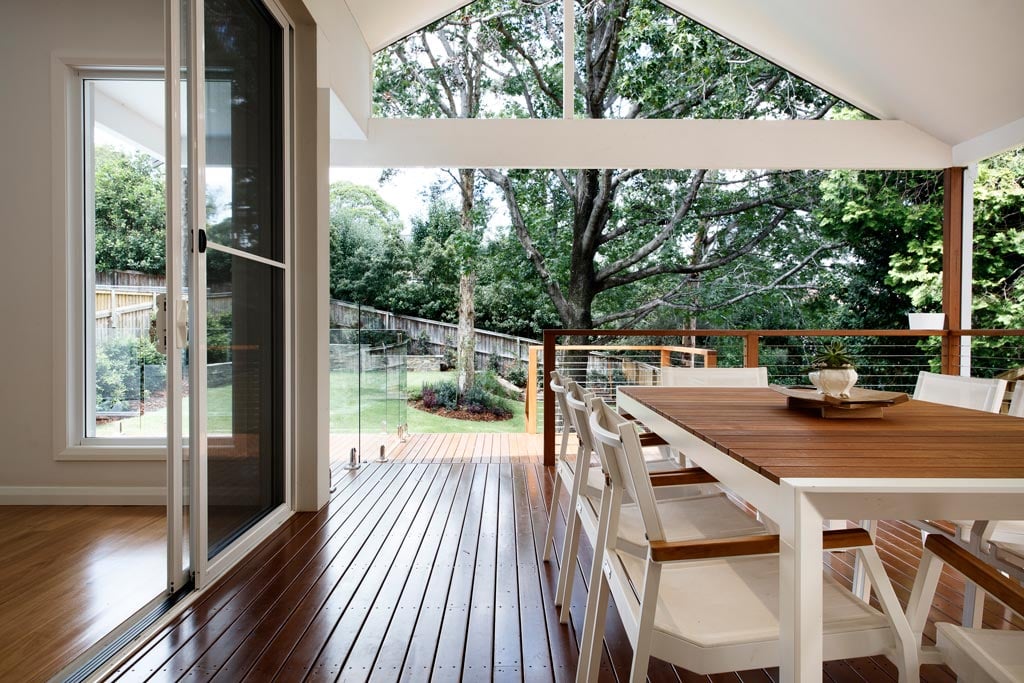 Whole home renovationWoolloongabba QLD
Woolloongabba House Extension and Interior Renovation
A$500,000 · From public sourcesGST not included · 39 weeks
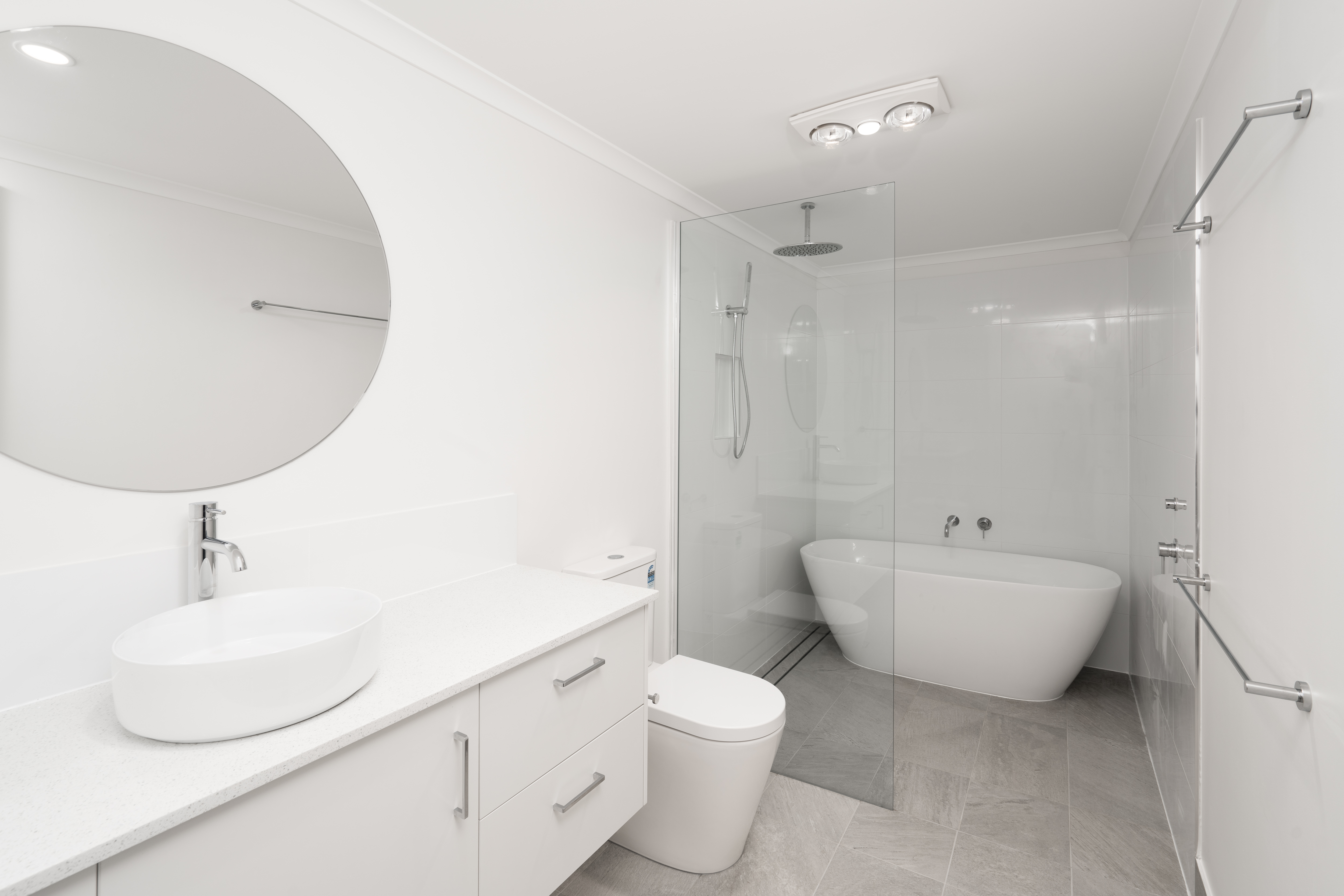 Whole home renovationGraceville QLD
Graceville House Raising Renovation Project
A$680,000 · From public sourcesGST not included · 43 weeks
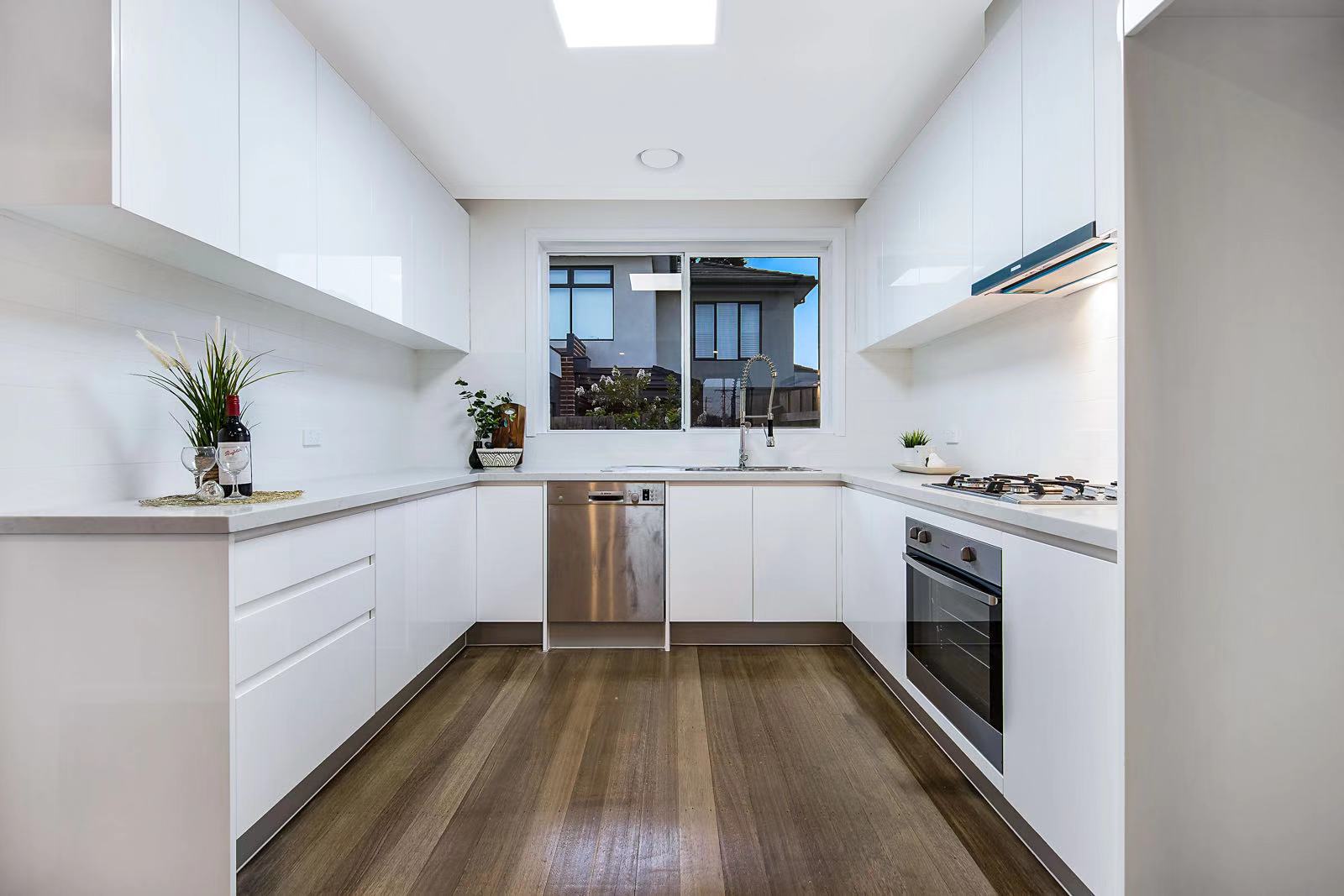 Whole home renovationMulgrave VIC
Mulgrave Residential Renovation Project
A$50,000 · From public sourcesGST not included · 9 weeks
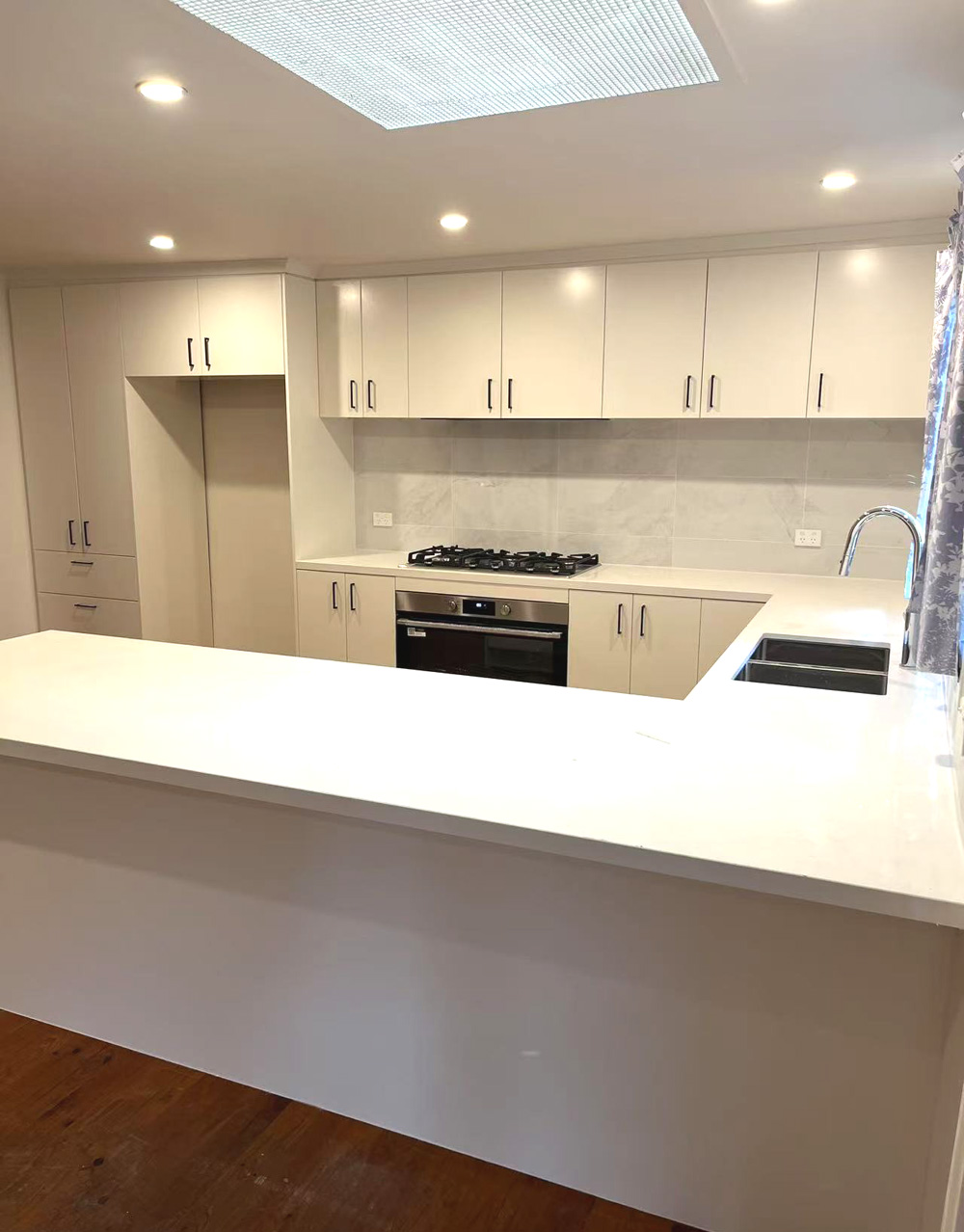 Whole home renovationVermont South VIC
Vermont South Residential Renovation
A$100,000 · From public sourcesGST not included · 13 weeks
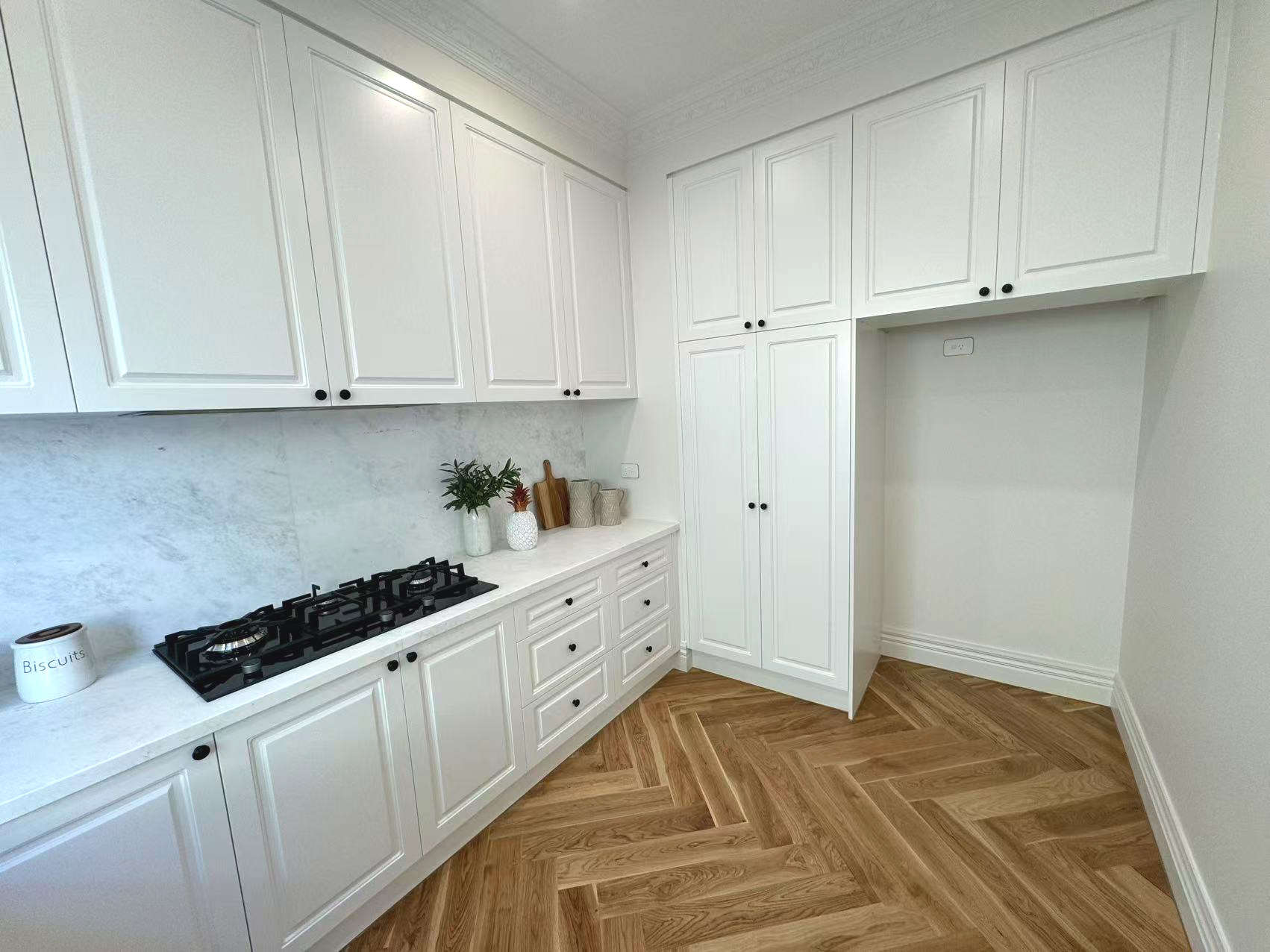 Whole home renovationGlen Waverley VIC
Glen Waverley Residential Renovation Project
A$100,000 · From public sourcesGST not included · 13 weeks
Check your own address
The overlays on your lot are what decide whether the row above actually applies to you.